 English
 русский
 Tiếng Việt
 Español

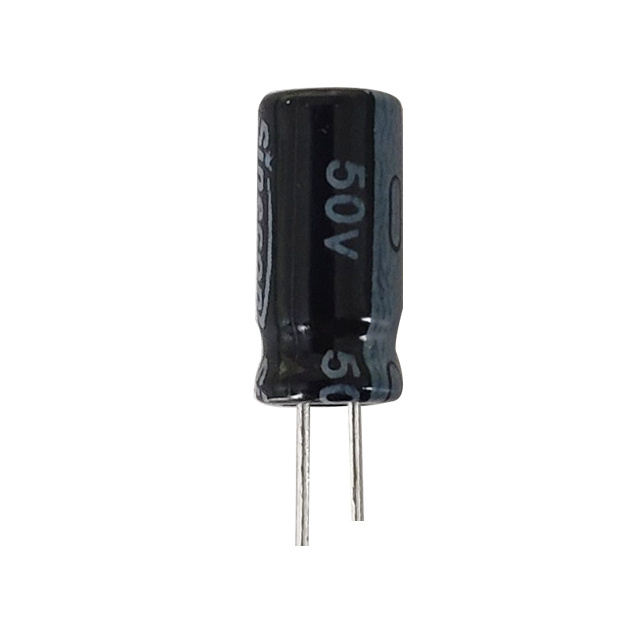
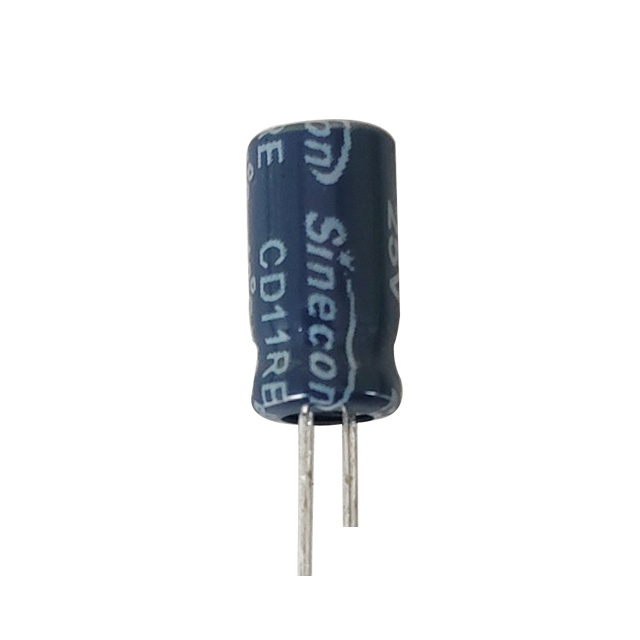
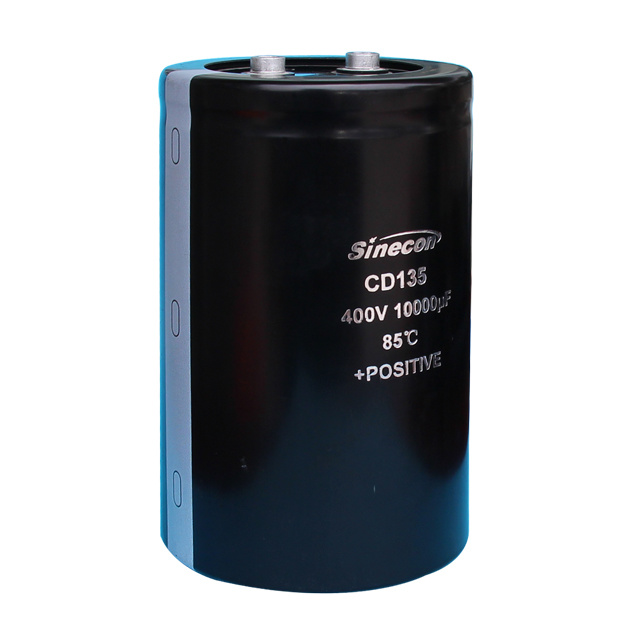
The key performance difference between a Low Voltage Electrolytic Capacitor and a ceramic capacitor in filtering applications is that electrolytic capacitors provide high capacitance for low-frequency ripple smoothing, while ceramic capacitors deliver extremely low ESR and superior high-frequency noise suppression.
In practical terms, electrolytic capacitors such as 1000uf 35 volt capacitors are preferred for bulk energy storage and smoothing rectified DC, whereas ceramic capacitors dominate in high-speed switching noise filtering and decoupling near ICs.
Fundamental Working Differences in Filtering
A Low Voltage Electrolytic Capacitor uses an electrolyte to achieve high capacitance values in a relatively small volume. This makes it ideal for absorbing low-frequency ripple currents in power conversion circuits.
Ceramic capacitors, on the other hand, use a dielectric ceramic material that allows for extremely fast charge and discharge cycles. This gives them excellent performance in filtering high-frequency switching noise but limits their capacitance range.
- Electrolytic capacitors: High capacitance (μF to mF range), suited for low-frequency smoothing
- Ceramic capacitors: Low capacitance (pF to low μF), suited for high-frequency decoupling
- Combined usage: Often used together in modern power supplies for full-spectrum filtering
Frequency Response and Impedance Behavior
In filtering applications, impedance across frequency is a critical factor. A Low Voltage Electrolytic Capacitor typically exhibits lower impedance at low frequencies but higher impedance at high frequencies due to internal inductance and ESR limitations.
Ceramic capacitors maintain very low impedance even at high frequencies, making them ideal for suppressing fast switching spikes in DC-DC converters and digital circuits.
| Parameter | Low Voltage Electrolytic Capacitor | Ceramic Capacitor |
|---|---|---|
| Low-frequency response | Excellent | Limited |
| High-frequency response | Poor to moderate | Excellent |
| Impedance stability | Moderate | Very stable |
ESR and Ripple Current Handling
Equivalent Series Resistance (ESR) significantly affects filtering efficiency. A Low Voltage Electrolytic Capacitor typically has higher ESR compared to ceramic capacitors, which directly impacts heat generation and ripple handling capability.
Ceramic capacitors exhibit ultra-low ESR, often in the milliohm range, allowing them to handle fast transient currents more effectively.
- Electrolytic ESR: Typically 0.05Ω to 0.5Ω depending on size
- Ceramic ESR: Often below 0.01Ω
- Impact: Lower ESR improves efficiency and reduces heat in switching circuits
For example, in power supply filtering using 1000uf 35 volt capacitors, electrolytics handle bulk ripple, while ceramic capacitors reduce high-frequency switching spikes that electrolytics cannot suppress effectively.
Real-World Filtering Applications and Design Examples
In real-world power electronics, engineers rarely choose only one type. Instead, they combine both technologies to achieve optimal filtering performance.
A typical DC power stage may use 1000uf 35 volt capacitors as bulk storage after rectification, followed by ceramic capacitors placed near load circuits for high-frequency decoupling.
- Rectifier stage uses electrolytic capacitors for smoothing low-frequency ripple
- DC bus stabilization relies on high-capacitance electrolytics
- Local IC decoupling uses ceramic capacitors for noise suppression
This hybrid approach ensures both energy buffering and noise suppression across the full frequency spectrum.
Cost, Size, and Reliability Considerations
Cost and physical size are major differentiators. A Low Voltage Electrolytic Capacitor provides very high capacitance per cost unit, making it essential for bulk energy storage applications.
Ceramic capacitors, while cheaper per unit at small values, become impractical for high capacitance needs due to size and cost scaling.
- Electrolytic advantage: High capacitance density at low cost
- Ceramic advantage: High reliability and long lifespan
- Trade-off: Electrolytics degrade over time due to electrolyte evaporation
Design Guidelines for Choosing Between Capacitor Types
Selecting between a Low Voltage Electrolytic Capacitor and a ceramic capacitor depends on the frequency range and energy requirements of the circuit.
- Use electrolytic capacitors: For bulk energy storage and low-frequency ripple filtering
- Use ceramic capacitors: For high-frequency noise suppression and decoupling
- Combine both: For switching power supplies and mixed-signal systems
In modern electronics, relying solely on one type leads to suboptimal performance. A hybrid capacitor network is considered best practice.
The Low Voltage Electrolytic Capacitor and ceramic capacitor serve complementary roles in filtering applications rather than competing ones.
Electrolytic capacitors like 1000uf 35 volt capacitors excel in bulk energy storage and low-frequency ripple smoothing, while ceramic capacitors dominate high-frequency noise suppression due to their ultra-low ESR and fast response.
Understanding their differences allows engineers to design more stable, efficient, and noise-immune power systems.