 English
 русский
 Tiếng Việt
 Español

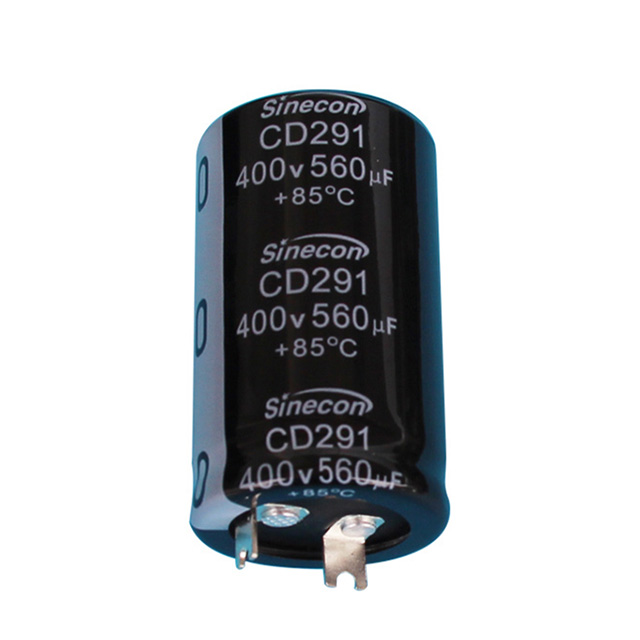
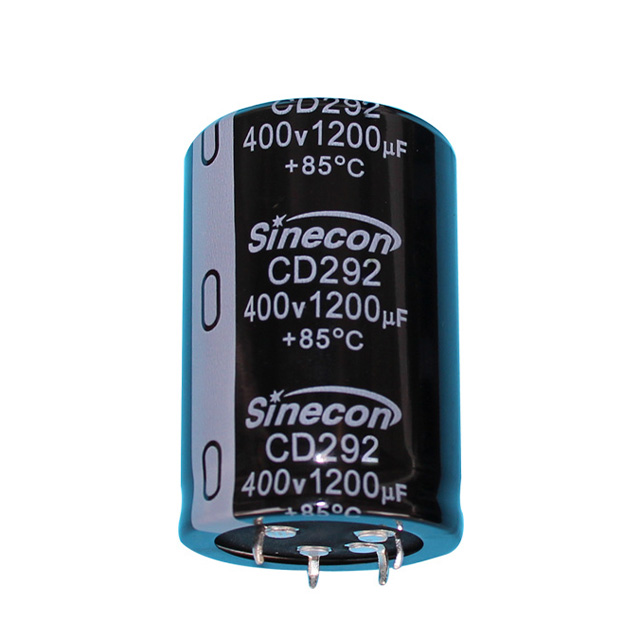
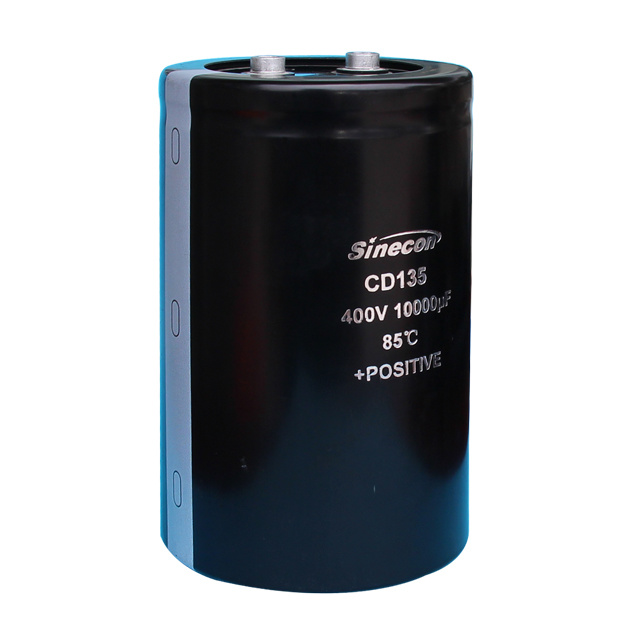
Screw terminal capacitors provide immediate benefits over soldered-lead capacitors in industrial applications, primarily in terms of installation flexibility, mechanical reliability, and ease of maintenance. Unlike soldered-lead capacitors, which require precise soldering skills and thermal control, screw terminal capacitors can be connected and disconnected quickly without specialized equipment. This feature reduces installation time by up to 40% in large panel assemblies. Additionally, the screw connection provides superior mechanical stability, making the capacitor more resistant to vibrations and thermal cycling commonly found in industrial environments.
Mechanical Reliability and Vibration Resistance
In industrial applications, equipment is often exposed to mechanical shocks and continuous vibrations. Screw terminal capacitors excel in these conditions because the screw connection ensures firm electrical contact even under stress. Soldered-lead capacitors, on the other hand, can develop micro-cracks in the solder joint due to thermal expansion, leading to intermittent failures over time. Studies in motor control panels and power factor correction banks indicate that screw terminal capacitors have a failure rate 30-50% lower under vibration conditions compared to soldered-lead types.
Ease of Installation and Maintenance
Screw terminal capacitors simplify both installation and maintenance. Technicians can replace or upgrade these capacitors without soldering equipment, which reduces downtime in critical systems. For instance, in industrial power correction panels, replacing a faulty screw terminal capacitor can take as little as 5 minutes per unit, whereas soldered-lead capacitors may require desoldering, cleaning, and resoldering, extending replacement time to over 20 minutes. This efficiency is especially valuable in high-density electrical panels or automated production environments.
Electrical Performance and Reliability
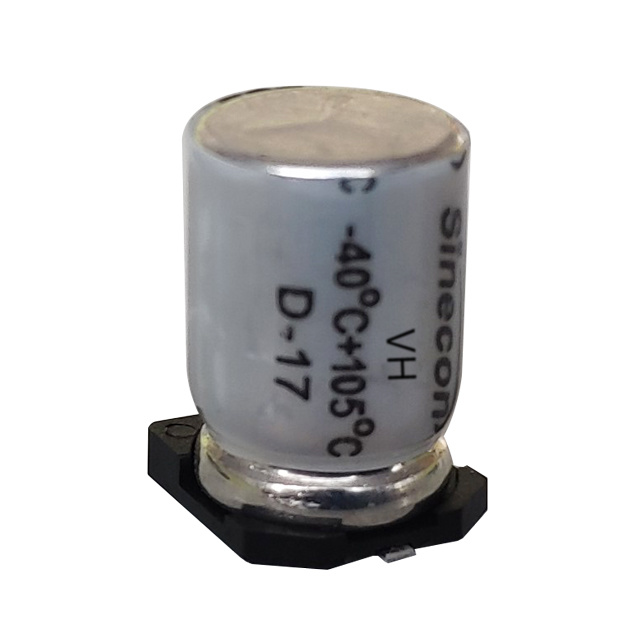
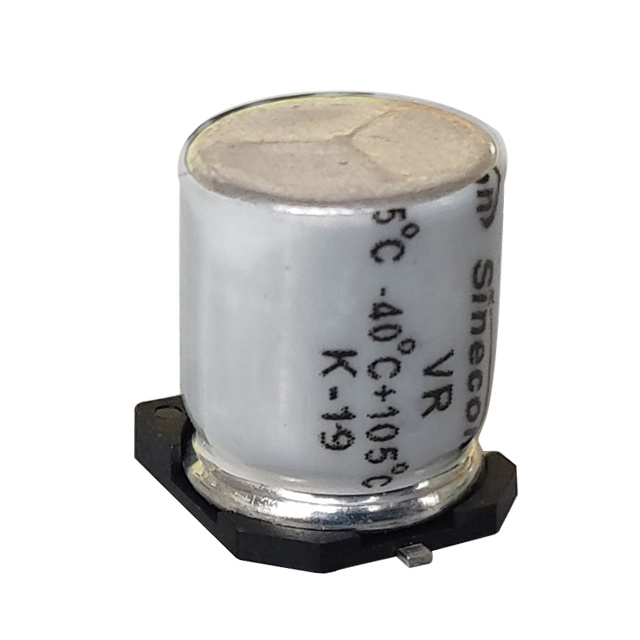
From an electrical performance standpoint, screw terminal capacitors maintain stable connections even under fluctuating loads. The screw terminals reduce the risk of contact resistance changes over time, which is common with soldered-lead capacitors exposed to thermal cycling. A comparison of surface mount electrolytic capacitor designs with screw terminal capacitors shows that screw terminal types offer lower ESR variation and more consistent capacitance over temperature ranges from -40°C to 85°C. This stability is critical in applications such as motor drives, inverters, and industrial UPS systems.
Thermal Management and Heat Dissipation
Screw terminal capacitors typically feature larger surface contact areas for connections, improving thermal dissipation. Soldered-lead capacitors rely on thin leads that can create hotspots near the solder joint, accelerating insulation degradation. In contrast, screw terminals act as heat sinks, helping to maintain optimal operating temperatures even under high current loads. Industrial testing demonstrates that screw terminal capacitors can handle continuous RMS currents up to 20% higher than similarly rated soldered-lead capacitors without exceeding recommended temperature limits.
Flexibility for System Design and Upgrades
Screw terminal capacitors offer engineers greater flexibility for system design. Modules can be easily swapped for higher capacitance or voltage ratings without redesigning the PCB or rewiring the entire system. In industrial energy storage and power factor correction applications, this flexibility allows for scalable systems where maintenance and upgrades are fast and safe. By comparison, replacing a soldered-lead capacitor often requires rework of the PCB or panel layout, which increases labor costs and system downtime.
Comparison Table: Screw Terminal vs. Soldered-Lead Capacitors
| Feature | Screw Terminal Capacitor | Soldered-Lead Capacitor |
|---|---|---|
| Installation Time | Fast (5-10 min) | Slow (20+ min) |
| Vibration Resistance | High | Medium |
| Thermal Performance | Excellent | Moderate |
| Maintenance Ease | Simple and safe | Difficult |
| Capacitance Stability | High | Variable |
Integration with Surface Mount Electrolytic Capacitors
Screw terminal capacitors are often used alongside surface mount electrolytic capacitors in industrial panels to optimize performance and space utilization. While surface mount electrolytic capacitors are ideal for high-frequency decoupling and compact board layouts, screw terminal capacitors handle higher current loads and provide robust connections. Combining both types ensures that the system benefits from high-frequency filtering and power stability simultaneously.
Screw terminal capacitors provide superior mechanical reliability, easier maintenance, better thermal performance, and installation flexibility compared to soldered-lead capacitors. Their ability to withstand vibration, handle higher currents, and allow rapid replacement makes them ideal for industrial applications, especially in power factor correction, motor drives, and high-current filtering circuits. When used alongside surface mount electrolytic capacitors, they provide a balanced solution for both compact layouts and high-performance electrical systems.