 English
 русский
 Tiếng Việt
 Español

Size Significantly Influences Voltage Rating and Capacitance
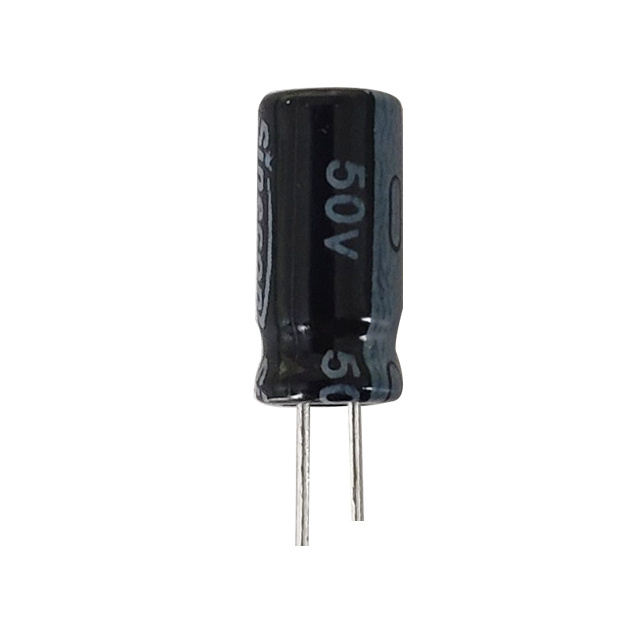
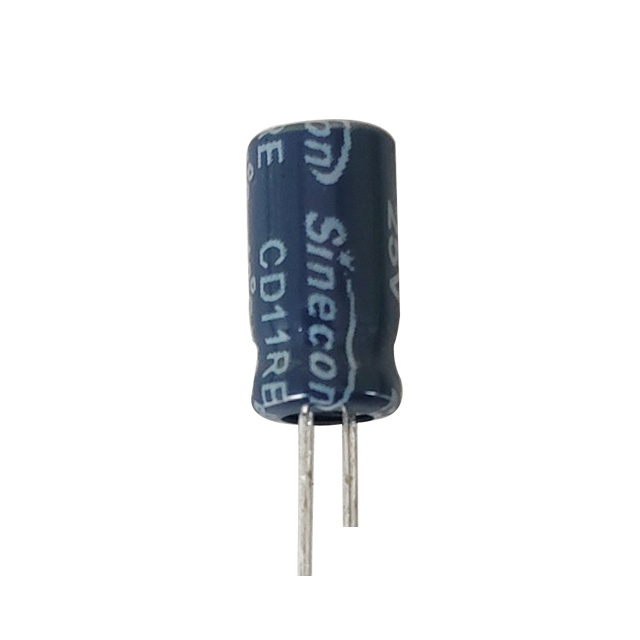
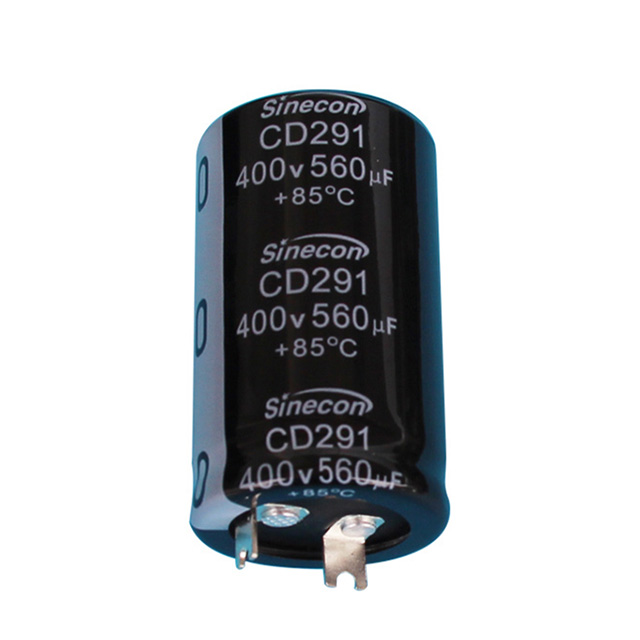
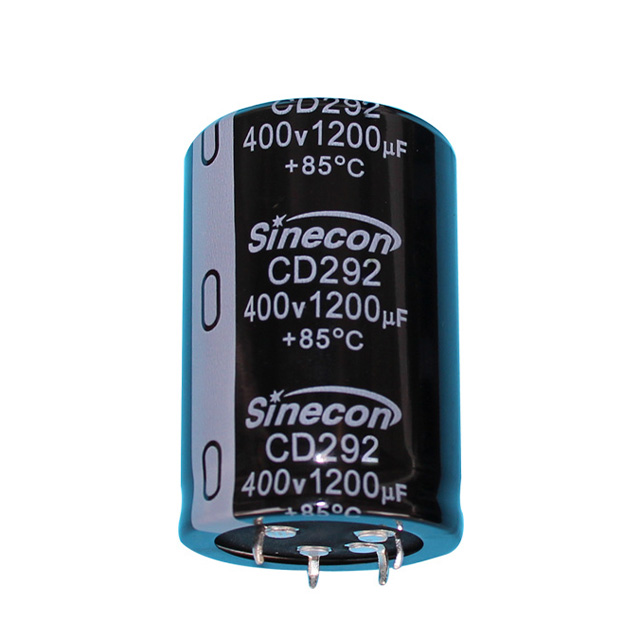
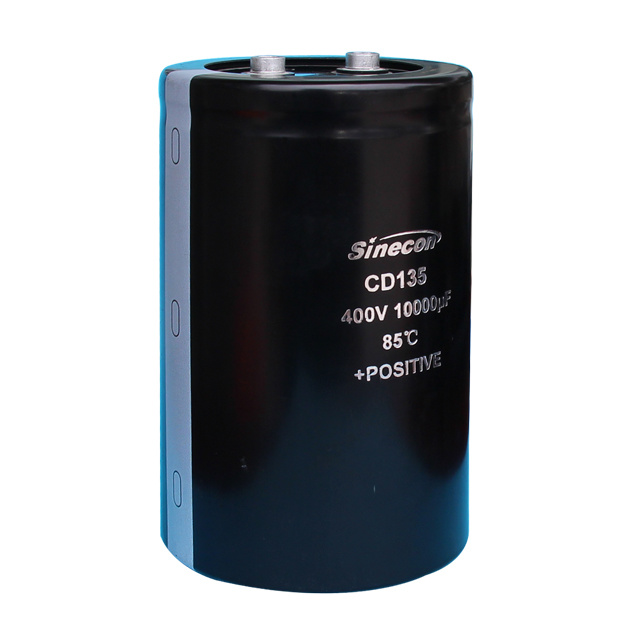
The physical size of a Middle High Voltage Electrolytic Capacitor directly affects its voltage rating and capacitance. Larger capacitors typically support higher voltage ratings and greater capacitance due to increased dielectric thickness and electrode surface area. Conversely, smaller capacitors have lower voltage tolerance and reduced capacitance. This relationship is fundamental in selecting components for power electronics and industrial circuits.
Understanding Capacitance and Voltage in Relation to Size
Capacitance in electrolytic capacitors depends on the surface area of the electrodes and the thickness of the dielectric layer. A larger physical size allows for more extensive aluminum foil electrodes, which increases the effective surface area. Simultaneously, a thicker dielectric can withstand higher voltages. As a result, size becomes a practical limitation for both parameters.
For instance, a standard 50V 100μF capacitor may have a length of 16mm and diameter of 10mm, whereas a 450V 100μF capacitor may require 50mm length and 25mm diameter. This shows that higher voltage ratings necessitate a proportional increase in physical size.
Voltage Rating Constraints and Physical Dimensions
The voltage rating of a Middle High Voltage Electrolytic Capacitor is primarily determined by the dielectric thickness. A thicker dielectric reduces the electric field stress and allows the capacitor to handle higher voltages safely. Increasing capacitor size provides more room for a thicker dielectric, directly linking physical dimensions to voltage capability.
It is important to note that exceeding the recommended voltage for a given capacitor size may lead to dielectric breakdown, leakage currents, or catastrophic failure. Therefore, engineers must carefully select capacitors where physical size, voltage rating, and capacitance are balanced for safety and performance.
Impact on Capacitance Performance
Capacitance is proportional to the electrode surface area and inversely proportional to dielectric thickness. Larger capacitors allow greater foil surface area, increasing capacitance without compromising voltage rating. Smaller capacitors may require a thinner dielectric to achieve the same capacitance, which reduces voltage tolerance.
For example, a 220μF capacitor rated at 200V typically measures around 30mm x 16mm, while a similar capacitance at 450V may measure 50mm x 25mm. This demonstrates that increasing voltage rating forces designers to expand physical size even if capacitance remains constant.
Practical Examples of Size Versus Voltage and Capacitance
| Capacitance (μF) | Voltage Rating (V) | Size (mm L x D) |
|---|---|---|
| 100 | 50 | 16 x 10 |
| 100 | 450 | 50 x 25 |
| 220 | 200 | 30 x 16 |
| 220 | 450 | 50 x 25 |
Design Considerations for Users
When selecting a Middle High Voltage Electrolytic Capacitor, users must balance physical size, voltage rating, and capacitance. Oversizing may be impractical due to space limitations, while undersizing can compromise reliability and lead to early failure. Engineers often prioritize voltage rating first, then capacitance, and finally physical size.
The thermal performance of larger capacitors is generally better because the increased volume dissipates heat more effectively. Users should also verify mechanical tolerances for their assembly and ensure that the chosen capacitor fits within the available PCB or enclosure space.
The physical size of a Middle High Voltage Electrolytic Capacitor is a critical factor that influences both voltage rating and capacitance. Larger sizes accommodate higher voltages and greater capacitance by allowing thicker dielectric layers and larger electrode surfaces. Proper selection requires careful consideration of electrical requirements, thermal performance, and space constraints. Understanding this relationship ensures reliable performance and long-term stability in high-voltage applications.