 English
 русский
 Tiếng Việt
 Español

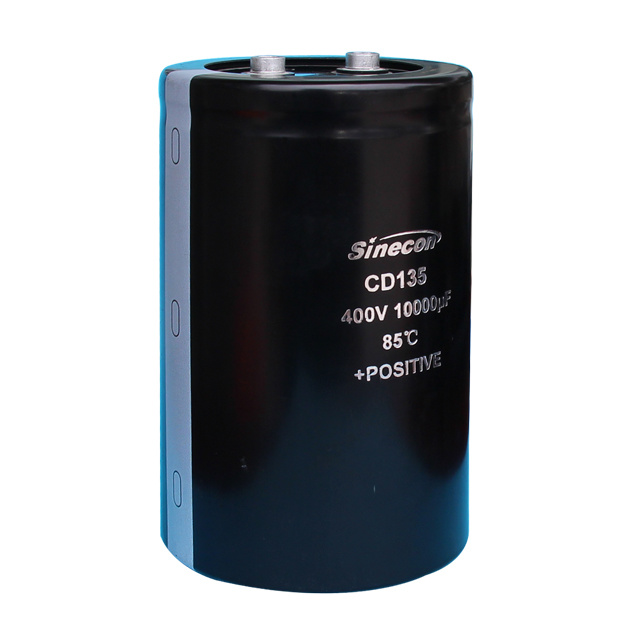
The Middle High Voltage Electrolytic Capacitor provides significantly greater energy storage capability than a Miniature Electrolytic Capacitor. While both components serve important functions in electronic and electrical systems, the difference in their voltage ratings, physical size, and energy-handling capacity results in a substantial gap in stored energy. For applications that require power buffering, DC-link stabilization, industrial power conversion, or energy reserve functions, a Middle High Voltage Electrolytic Capacitor is generally the preferred choice.
The primary reason lies in the energy storage formula of a capacitor:
E = ½CV²
In this equation, E represents stored energy, C represents capacitance, and V represents voltage. Because voltage is squared, increasing the operating voltage has a much larger impact on stored energy than increasing capacitance alone. Since Middle High Voltage Electrolytic Capacitors are designed for significantly higher voltage operation, they can store dramatically more energy than Miniature Electrolytic Capacitors.
Understanding Energy Storage in Electrolytic Capacitors
Electrolytic capacitors store electrical energy within an electric field generated between conductive plates separated by a dielectric layer. The amount of energy stored depends on both capacitance and voltage rating. Although Miniature Electrolytic Capacitors may sometimes offer capacitance values comparable to larger devices, their lower voltage ratings severely limit their total energy storage capability.
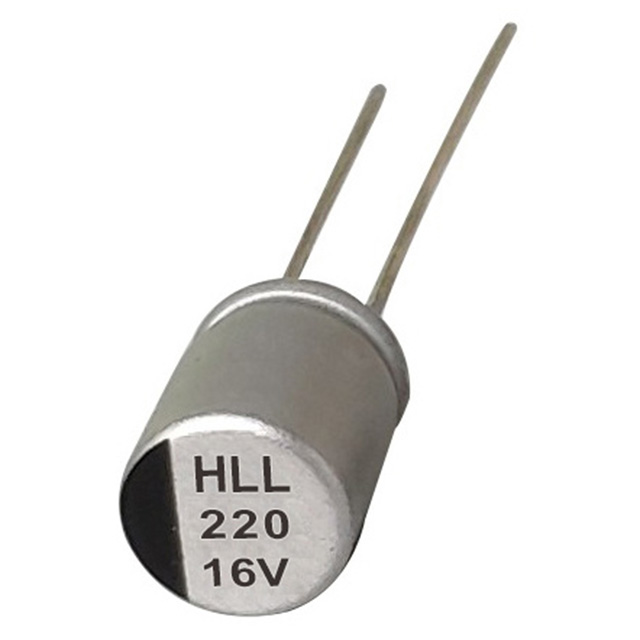
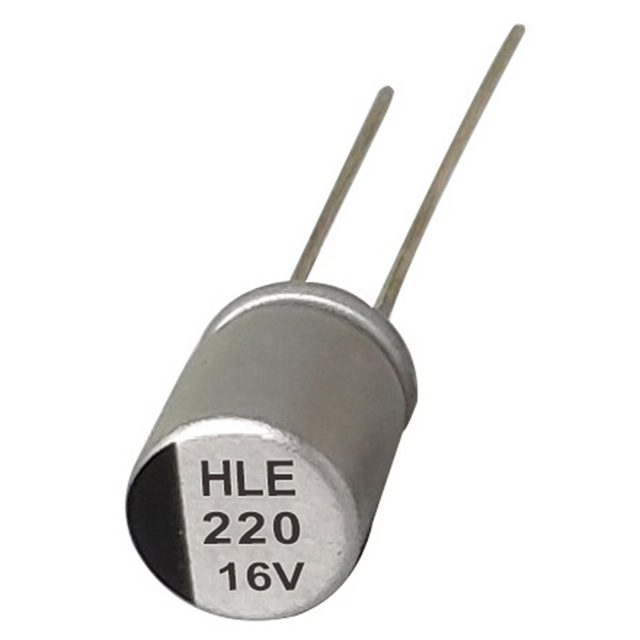
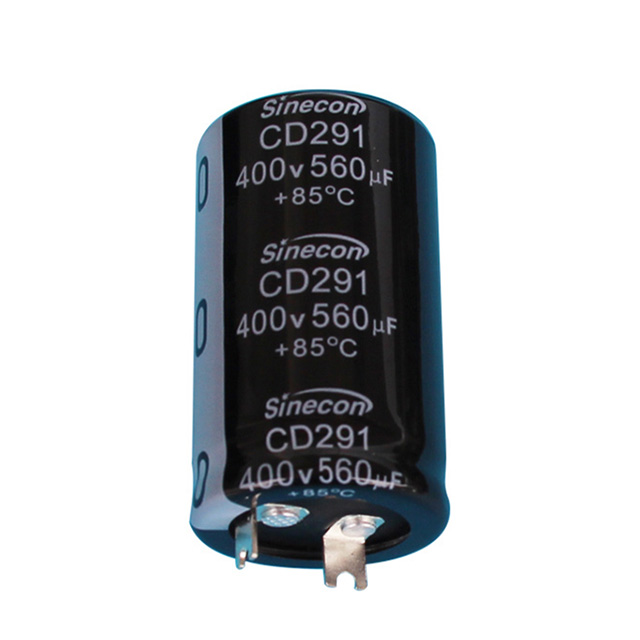
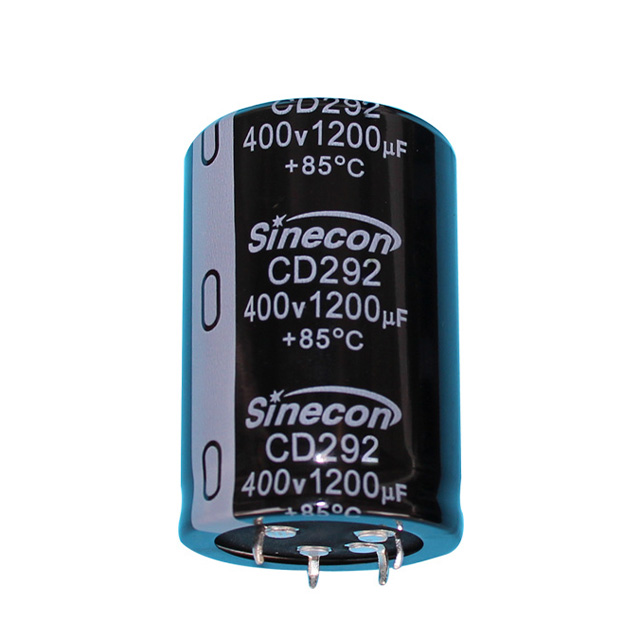
Middle High Voltage Electrolytic Capacitors are commonly designed for operating voltages ranging from 160V to 600V or higher. Miniature Electrolytic Capacitors, by contrast, are often rated between 6.3V and 63V. This voltage difference becomes extremely significant when calculating stored energy.
As a result, applications involving industrial automation, renewable energy systems, motor drives, and high-power power supplies frequently rely on Middle High Voltage Electrolytic Capacitors rather than Miniature Electrolytic Capacitors.
Key Performance Comparison
| Characteristic | Middle High Voltage Electrolytic Capacitor | Miniature Electrolytic Capacitor |
|---|---|---|
| Typical Voltage Rating | 160V–600V+ | 6.3V–63V |
| Energy Storage Potential | Very High | Low to Moderate |
| Ripple Current Capability | High | Lower |
| Physical Size | Large | Compact |
| Industrial Power Applications | Excellent | Limited |
The comparison clearly demonstrates why Middle High Voltage Electrolytic Capacitors dominate applications requiring substantial energy storage and voltage stabilization.
Real-World Energy Storage Examples
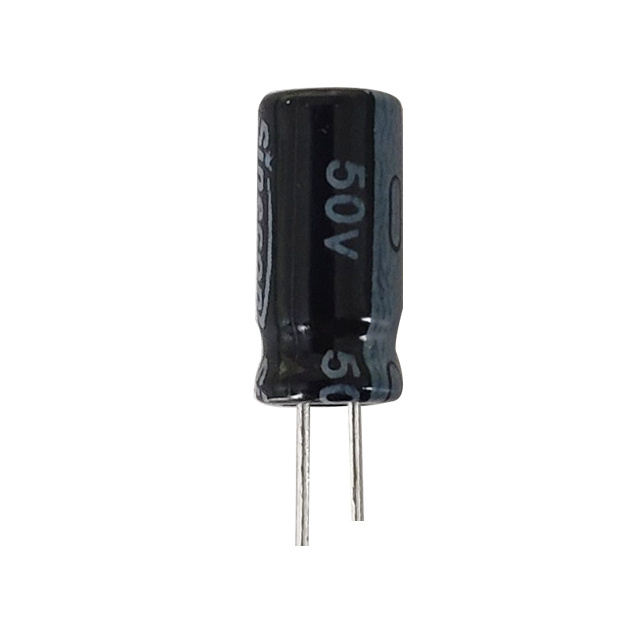
Example of a Middle High Voltage Electrolytic Capacitor
Consider a capacitor rated at 470µF and 450V.
Stored Energy = ½ × 0.00047 × 450²
Stored Energy ≈ 47.6 Joules
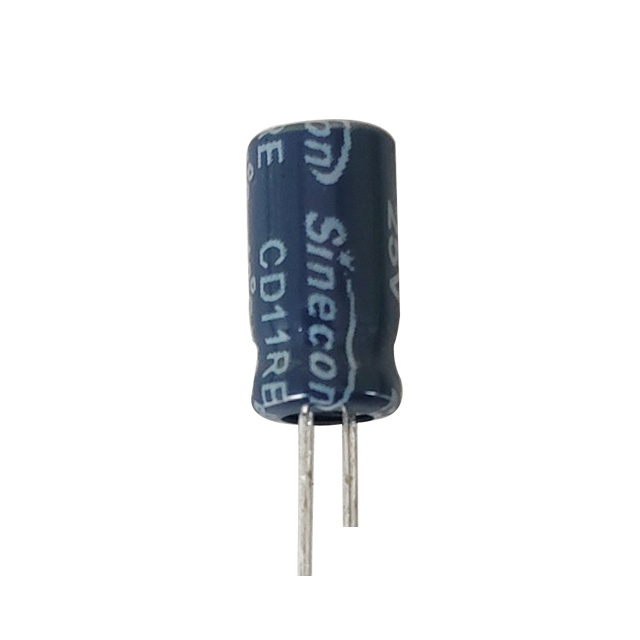
Example of a Miniature Electrolytic Capacitor
Consider a capacitor rated at 470µF and 35V.
Stored Energy = ½ × 0.00047 × 35²
Stored Energy ≈ 0.29 Joules
Despite having the same capacitance value, the Middle High Voltage Electrolytic Capacitor stores more than 160 times the energy due to its much higher voltage rating.
Advantages of Higher Energy Storage
The superior energy storage capability of a Middle High Voltage Electrolytic Capacitor delivers several practical advantages in demanding applications.
- Longer hold-up time during power interruptions.
- Better support for high-power loads.
- Improved DC bus voltage stability.
- Reduced voltage ripple in power converters.
- Enhanced performance in renewable energy systems.
- Greater tolerance for transient load changes.
Miniature Electrolytic Capacitors remain valuable in compact electronic products where space constraints are critical, but they are not optimized for large-scale energy storage tasks.
What Causes a Capacitor to Fail?
Engineers and maintenance personnel frequently ask what causes a capacitor to fail because capacitor degradation directly affects energy storage performance and system reliability.
Several common factors contribute to failure:
- Excessive operating temperature.
- Voltage stress beyond rated limits.
- High ripple current.
- Electrolyte evaporation over time.
- Poor cooling conditions.
- Mechanical vibration and environmental contamination.
A failed capacitor often exhibits reduced capacitance, increased equivalent series resistance, leakage current issues, or physical swelling. These problems significantly reduce available energy storage.
How to Read a Capacitor with Multimeter
Understanding how to read a capacitor with multimeter is essential when evaluating capacitor health and confirming whether a device can still deliver its intended energy storage capability.
- Disconnect power from the circuit.
- Fully discharge the capacitor.
- Select capacitance mode on the multimeter.
- Connect test leads to capacitor terminals.
- Compare the measured value with the rated capacitance.
- Evaluate whether the reading falls within tolerance specifications.
If the measured capacitance is significantly lower than the rated value, the capacitor may no longer provide adequate energy storage for its intended application.
Checking Capacitor with Ohm Meter
Another common troubleshooting technique involves checking capacitor with ohm meter. Although this method cannot accurately measure capacitance, it can identify obvious failures.
When an ohm meter is connected to a healthy capacitor, the resistance reading usually starts low and gradually increases as the capacitor charges from the meter's internal battery. A constant low resistance reading may indicate a short circuit, while an immediate infinite reading may suggest an open circuit.
This method is frequently used during field inspections when dedicated capacitance measurement equipment is unavailable.
Choosing the Right Capacitor for Energy Storage Applications
Selecting the appropriate capacitor depends largely on the application requirements. A Middle High Voltage Electrolytic Capacitor is generally the best choice when:
- High energy storage is required.
- Operating voltages exceed standard electronic levels.
- Long hold-up times are needed.
- Power conversion efficiency is critical.
- Industrial reliability is required.
A Miniature Electrolytic Capacitor is generally more appropriate when:
- Space is extremely limited.
- Low-voltage circuitry is involved.
- Energy storage demands are modest.
- Compact consumer electronics are being designed.
When energy storage capability is the primary consideration, a Middle High Voltage Electrolytic Capacitor clearly outperforms a Miniature Electrolytic Capacitor. The higher voltage rating, larger physical construction, superior ripple current capability, and significantly greater stored energy make it the preferred solution for industrial power systems, inverter applications, renewable energy equipment, and high-performance power electronics.
Although Miniature Electrolytic Capacitors provide valuable benefits in compact electronic designs, they cannot match the energy storage potential of Middle High Voltage Electrolytic Capacitors. Understanding performance differences, recognizing what causes a capacitor to fail, learning how to read a capacitor with multimeter, and mastering checking capacitor with ohm meter techniques can help engineers maximize reliability and ensure optimal system performance.