 English
 русский
 Tiếng Việt
 Español

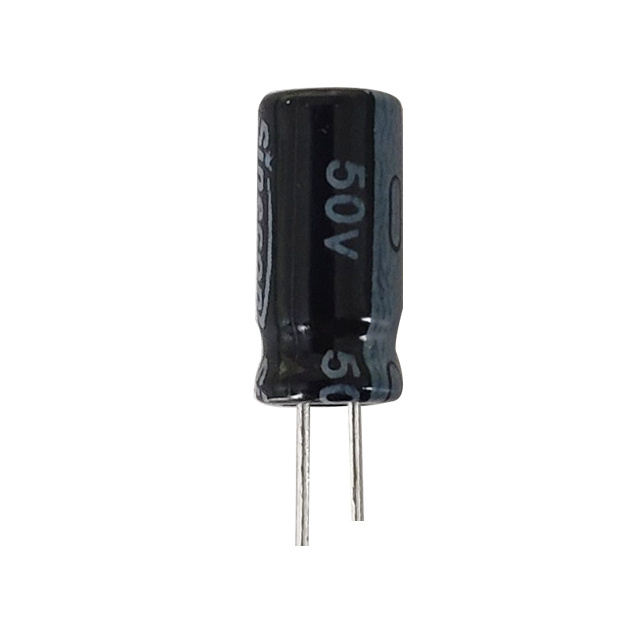
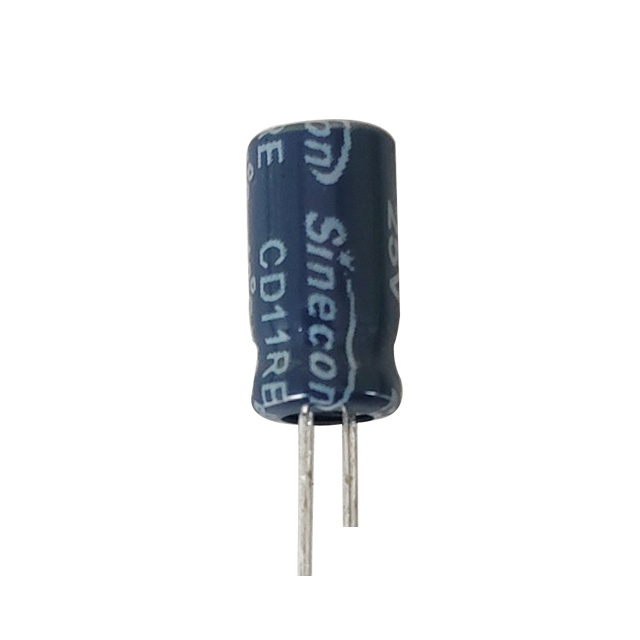
Long-life Aluminum Electrolytic Capacitors are generally more reliable than general-purpose types because they are designed to withstand higher temperatures, longer operating hours, and more demanding electrical conditions. While general-purpose capacitors are suitable for standard consumer electronics and low-stress environments, long-life versions are engineered for industrial equipment, power supplies, telecommunications systems, and other applications where continuous operation is critical.
Typical general-purpose Aluminum Electrolytic Capacitors may be rated for approximately 1,000 to 2,000 hours at 85°C or 105°C. In comparison, long-life models often provide ratings of 5,000 to 20,000 hours at 105°C. Because capacitor lifespan approximately doubles for every 10°C reduction in operating temperature, the practical service life of long-life capacitors can extend to decades under favorable conditions.
What Defines a Long-Life Aluminum Electrolytic Capacitor?
A long-life Aluminum Electrolytic Capacitor is specifically designed to maintain stable electrical performance over extended periods. Manufacturers achieve this by using improved electrolyte formulations, optimized sealing structures, thicker oxide layers, and enhanced internal materials.
These design improvements help reduce electrolyte evaporation, one of the primary causes of capacitor aging. As a result, long-life capacitors maintain capacitance values, ESR characteristics, and ripple current handling capabilities for much longer than general-purpose alternatives.
- Extended endurance ratings
- Higher temperature tolerance
- Improved ripple current capability
- Lower performance degradation over time
- Better suitability for continuous operation
Reliability Comparison Between Long-Life and General-Purpose Capacitors
| Parameter | General-Purpose Type | Long-Life Type |
|---|---|---|
| Endurance Rating | 1,000–2,000 Hours | 5,000–20,000 Hours |
| Temperature Capability | 85°C–105°C | 105°C–125°C |
| Ripple Current Handling | Moderate | High |
| Expected Service Life | Several Years | 10–20+ Years |
| Reliability in Harsh Conditions | Average | Excellent |
The data clearly shows why engineers often select long-life Aluminum Electrolytic Capacitors for mission-critical systems. The extended endurance rating translates directly into reduced maintenance requirements and lower replacement costs over the lifetime of equipment.
The Impact of Temperature on Reliability
Temperature is one of the most significant factors affecting capacitor lifespan. The electrolyte inside Aluminum Electrolytic Capacitors gradually evaporates during operation. Higher temperatures accelerate this process and shorten useful life.
According to the commonly accepted Arrhenius aging principle, every 10°C decrease in operating temperature can approximately double capacitor life expectancy. For example, a capacitor rated for 10,000 hours at 105°C may theoretically achieve over 80,000 hours when operating near 75°C.
Because long-life Aluminum Electrolytic Capacitors are designed to withstand elevated temperatures for extended periods, they provide a significant reliability advantage in industrial power supplies, renewable energy systems, and automation equipment.
ESR Stability and Electrical Performance
Equivalent Series Resistance (ESR) is another key reliability indicator. As capacitors age, ESR tends to increase. Higher ESR generates additional heat, which accelerates degradation and may eventually cause circuit instability.
Long-life Aluminum Electrolytic Capacitors are typically designed with better electrolyte chemistry and internal construction, helping them maintain lower ESR values throughout their service life. This is particularly important in switching power supplies, motor drives, and high-frequency filtering applications.
Lower ESR also improves ripple current handling capability. Since ripple current generates internal heating, capacitors with lower ESR often experience slower aging and greater long-term reliability.
Failure Mechanisms and Service Life Expectations
Both long-life and general-purpose Aluminum Electrolytic Capacitors can eventually fail due to similar aging mechanisms. However, the speed at which these mechanisms occur differs significantly.
Common Failure Causes
- Electrolyte evaporation
- Capacitance reduction
- ESR increase
- Seal deterioration
- Excessive ripple current heating
Long-life capacitors are engineered to slow these degradation processes significantly. In applications operating 24 hours per day, the reliability difference can translate into several additional years of uninterrupted service.
Applications Where Long-Life Capacitors Provide the Greatest Benefit
The value of long-life Aluminum Electrolytic Capacitors becomes most apparent in systems where downtime is expensive or unacceptable.
- Industrial automation equipment operating continuously.
- Telecommunications infrastructure requiring high uptime.
- Solar inverters and renewable energy systems.
- Medical equipment requiring long maintenance intervals.
- Server power supplies and data center hardware.
In contrast, general-purpose capacitors remain suitable for consumer electronics, lighting products, household appliances, and other cost-sensitive applications where operating conditions are relatively moderate.
Reliability Considerations for Surface Mount Designs
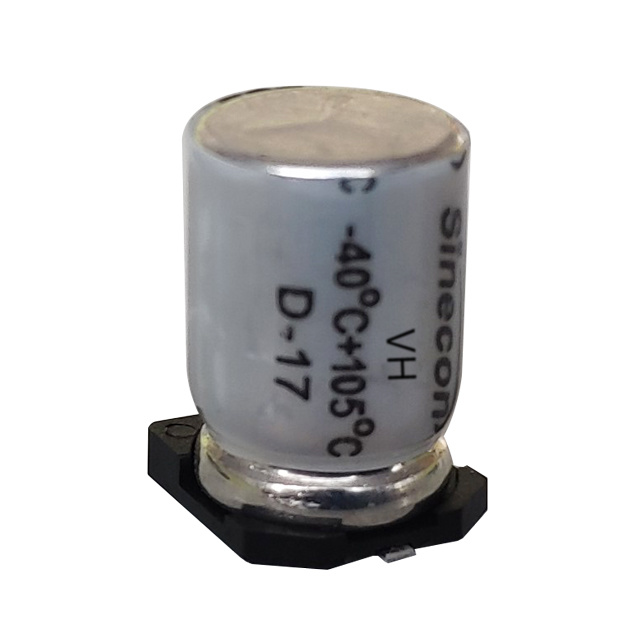
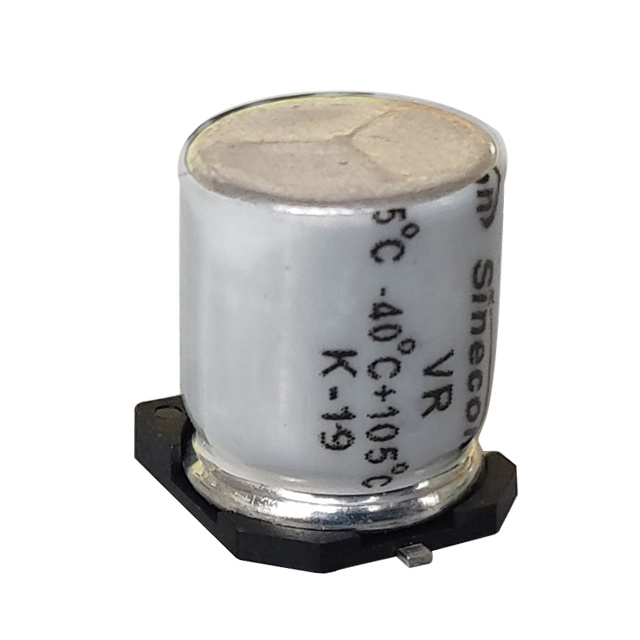
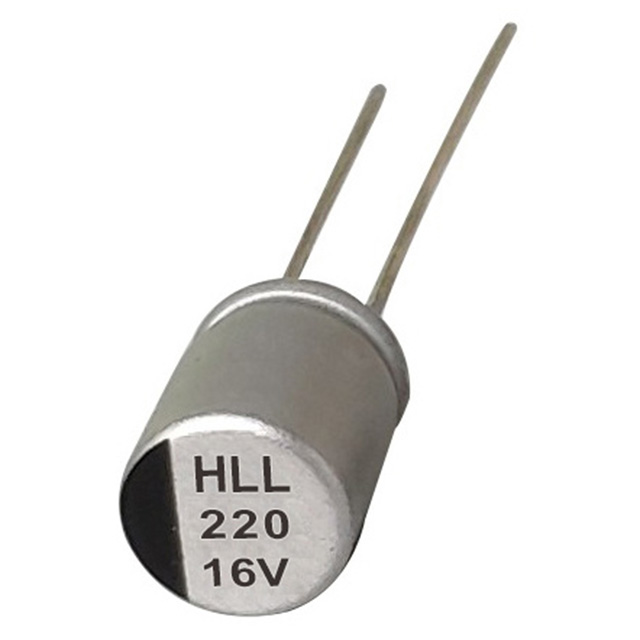
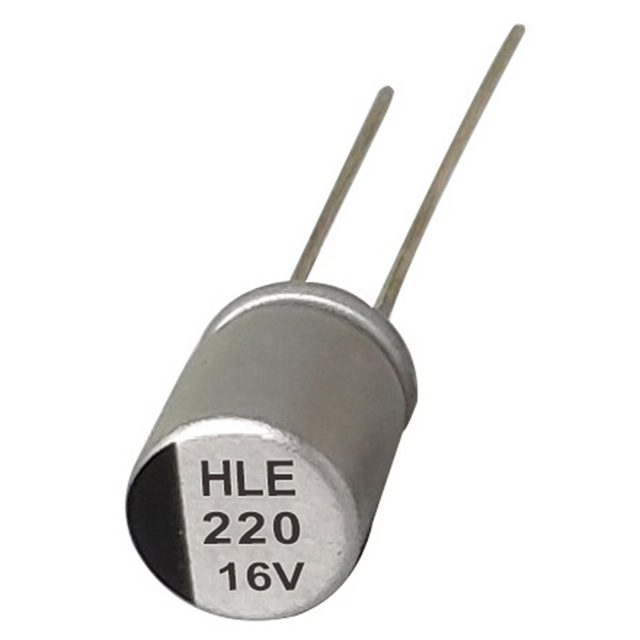
Modern electronics increasingly use the surface mount electrolytic capacitor format because it supports automated assembly and compact PCB layouts. Reliability considerations remain similar to those of through-hole components, but thermal management becomes even more important due to higher component density.
A long-life surface mount electrolytic capacitor can offer substantial reliability improvements in telecommunications equipment, networking devices, and embedded industrial controllers. By maintaining stable capacitance and ESR values over extended operating periods, these components help ensure long-term system stability.
Designers should carefully evaluate airflow, board temperature, and ripple current exposure when selecting any surface mount electrolytic capacitor for reliability-focused applications.
Cost Versus Reliability Trade-Off
Long-life Aluminum Electrolytic Capacitors typically cost more than general-purpose alternatives. However, evaluating only the initial purchase price can be misleading.
When maintenance costs, labor expenses, system downtime, and replacement frequency are considered, long-life capacitors often provide a lower total cost of ownership. For equipment expected to operate continuously for many years, investing in higher-reliability components can generate significant long-term savings.
Long-life Aluminum Electrolytic Capacitors outperform general-purpose types in nearly every reliability-related category, including endurance, temperature resistance, ESR stability, ripple current handling, and expected service life. Their superior construction allows them to maintain performance under demanding operating conditions and significantly reduce the risk of premature failure.
For applications where uptime, longevity, and maintenance reduction are important, long-life capacitors represent the preferred choice. General-purpose capacitors remain valuable for cost-sensitive products with lighter operating requirements, but they cannot match the reliability advantages offered by long-life designs.