 English
 русский
 Tiếng Việt
 Español

-
Low-Temperature Start-Up Performance
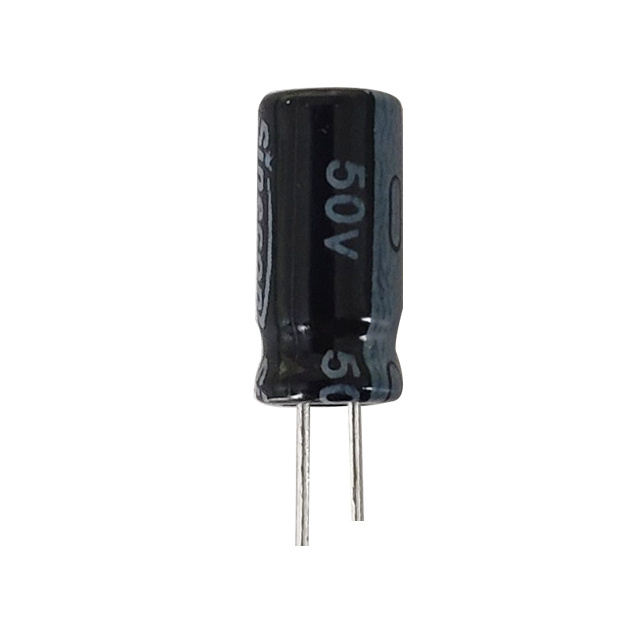
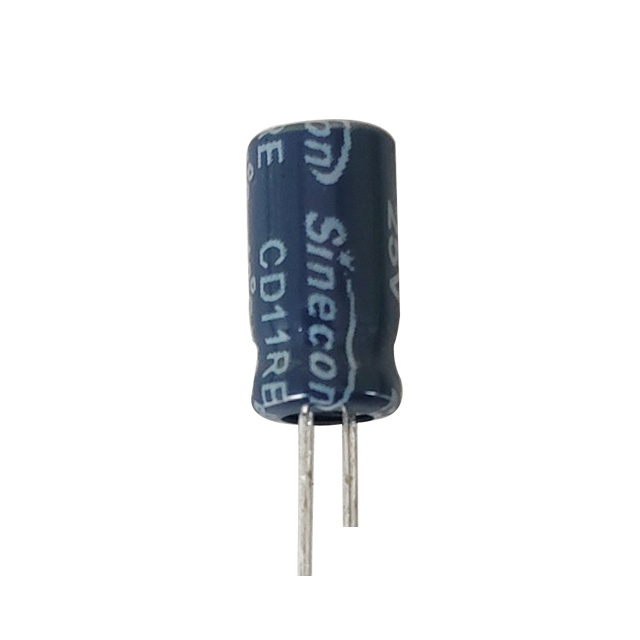
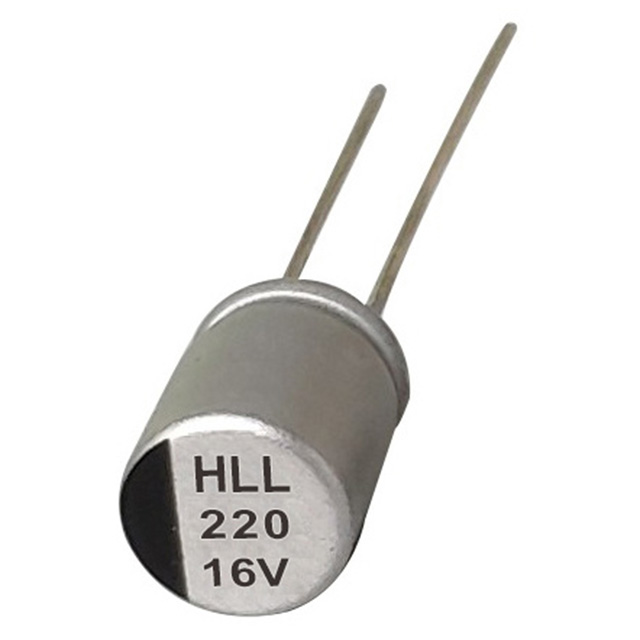
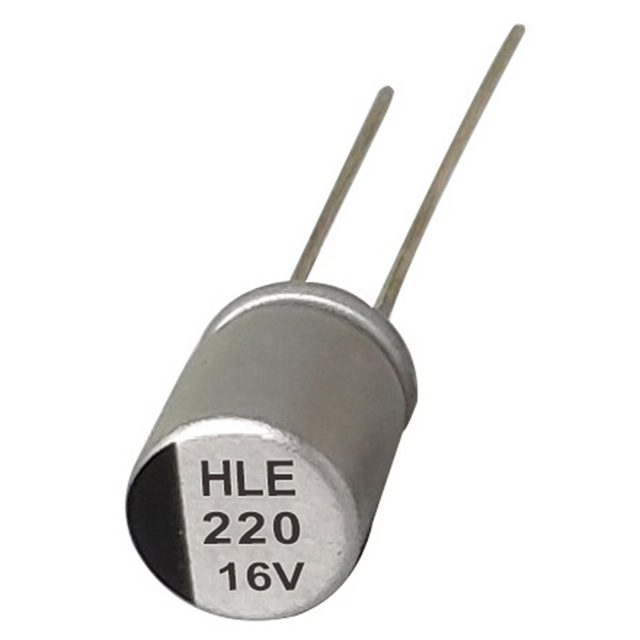
Low ESR Radial Polymer Aluminum Electrolytic Capacitors are engineered to maintain stable electrical performance and low equivalent series resistance (ESR) at sub-zero temperatures, which is a significant advantage over traditional liquid electrolyte capacitors that tend to suffer from increased ESR and delayed response in cold conditions. The polymer electrolyte exhibits excellent ionic conductivity even at very low temperatures, allowing the capacitor to charge and discharge efficiently immediately after power-on. This capability is critical for applications such as automotive electronics, aerospace systems, and industrial controllers, where devices must start reliably in cold environments. During low-temperature start-up, the capacitor ensures minimal voltage drop, controlled inrush current, and consistent capacitance, which helps prevent system malfunctions, voltage instability, and undue stress on upstream circuitry. -
Rapid Thermal Cycling Tolerance
In environments where temperature fluctuates frequently, capacitors experience mechanical and electrical stress due to expansion and contraction of internal components. Low ESR Radial Polymer Aluminum Electrolytic Capacitors are highly resistant to these stresses because of their solid polymer electrolyte and robust radial construction. The polymer matrix maintains dimensional stability, and the lead connections remain intact, preventing cracking, delamination, or electrolyte leakage. This allows the capacitor to maintain both capacitance and low ESR despite repeated thermal cycles. Industrial equipment, power conversion systems, and high-performance electronics benefit from this resilience because the capacitor can withstand frequent temperature transitions without degradation, ensuring long-term operational reliability and minimizing maintenance or replacement needs. -
Electrical Stability Under Temperature Changes
A critical aspect of performance under low temperatures and thermal cycling is maintaining consistent electrical characteristics, including capacitance, ESR, and leakage current. The polymer electrolyte’s low thermal sensitivity ensures that ESR drift is minimal and capacitance remains within specified tolerances even when temperatures swing from sub-zero conditions to elevated operational levels. This stability is particularly important for high-frequency applications, DC-DC converters, and switching power supplies, where sudden changes in temperature could otherwise cause voltage ripple, instability, or transient failures. By maintaining predictable electrical behavior across wide thermal ranges, the capacitor supports smooth voltage regulation, effective noise filtering, and reliable transient handling, enhancing the overall stability of electronic systems. -
Reliability and Longevity Considerations
The combination of polymer electrolyte, radial lead construction, and low ESR design contributes to extended operational life and high reliability under demanding thermal conditions. Unlike liquid electrolytes that can dry out or degrade over time, the polymer remains chemically stable even under repeated thermal stress. The capacitor can endure high ripple currents and frequent thermal cycling without significant wear, ensuring that capacitance, ESR, and leakage current remain within safe limits over the entire rated lifetime. This reliability makes the capacitor ideal for critical applications in automotive, aerospace, industrial, and military electronics, where consistent performance under extreme conditions is mandatory, and failures could result in system downtime or costly repairs. -
Summary of Performance Advantages
Low ESR Radial Polymer Aluminum Electrolytic Capacitors provide exceptional performance under low-temperature start-up and rapid thermal cycling due to several integrated design advantages: the polymer electrolyte ensures consistent ionic conductivity, the robust radial construction maintains mechanical integrity, the low ESR and stable capacitance enable reliable electrical performance, and the design ensures long-term operational life under repeated thermal stress. These features collectively allow the capacitor to deliver high reliability, extended service life, and consistent performance in harsh or variable thermal environments, making it superior to conventional electrolytic capacitors for demanding electronic applications.